Rhinoplasty (Nose Job) Surgery
Conveniently located to serve Seattle and Bellevue
Jump To
What Is Rhinoplasty?
Rhinoplasty, commonly known as a nose job, is a surgical procedure that reshapes the nose to improve its appearance, function, or both. It may refine nasal size, bridge shape, tip definition, nostril appearance, or internal structures that affect breathing.
When breathing is affected, surgery may also involve the nasal septum, the structure that divides the left and right sides of the nose. Septoplasty corrects the septum, while septorhinoplasty combines septum correction with nose reshaping.
To support or reshape nasal structures, Dr. Parikh may use cartilage from the septum, ear, the patient’s own rib, or donor rib cartilage when appropriate.
Rhinoplasty Before and After Photos
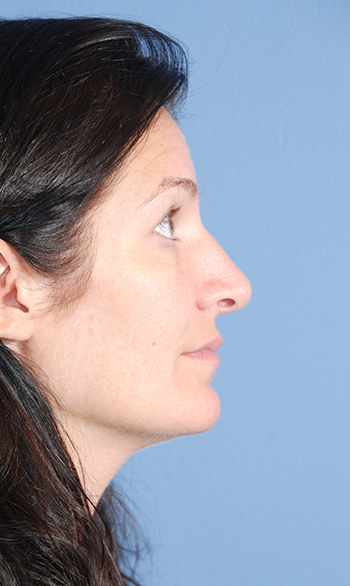 BeforeAfter
Dr. Parikh’s rhinoplasty gallery can help you look closely at how changes to nasal shape affect the profile, front view, tip definition, and nostril balance. Because rhinoplasty planning may involve cartilage support, skin thickness, and breathing considerations, gallery photos are most helpful when reviewed with your own anatomy in mind.
*Individual Results may vary
What Are the Common Goals of Rhinoplasty?
Rhinoplasty may be performed to:
- Improve nasal breathing
- Reduce a nasal hump
- Refine the nasal tip
- Adjust the angle of the tip
- Change tip projection
- Straighten a crooked nose
- Correct a saddle nose deformity
- Narrow wide nostrils
These changes may be cosmetic, functional, or a combination of both. The right approach depends on your anatomy, concerns, and the degree of correction needed.
Who Is a Candidate for Rhinoplasty?
Good candidates for rhinoplasty are generally healthy patients who have completed facial growth, typically around age 16 or older, and want to address cosmetic or functional concerns involving the nose.
You may be a good candidate if you:
- Have cosmetic concerns: This may include nasal size, bridge shape, tip definition, nostril width, or overall nasal proportion
- Have breathing difficulties: Structural issues may affect airflow and may require functional correction
- Have realistic expectations: Rhinoplasty may improve the nose’s appearance or function, but it cannot create perfection
- Are healthy enough for surgery: Adults in their 30s, 40s, 50s, and beyond may be candidates when their health and goals support surgery
- Can discuss medical risk factors honestly: Smoking, nicotine use, diabetes, medications, previous nasal surgery, and prior trauma can affect surgical planning and healing
Dr. Parikh performs an in-depth consultation for each rhinoplasty patient. This helps ensure that you both are aligned on expectations, anatomy, and possible results.
The Different Types of Rhinoplasty
Dr. Parikh uses different rhinoplasty techniques based on the patient’s anatomy, goals, and degree of correction needed.
Cosmetic Rhinoplasty
Cosmetic rhinoplasty focuses on improving the shape, size, or projection of the nose so it looks more balanced with the rest of the face. This may include refining the nasal tip, reducing a bridge bump, narrowing the nostrils, or straightening the nose.
Functional Rhinoplasty
Functional rhinoplasty is performed to improve nasal breathing when structural issues affect airflow. It may involve correcting a deviated septum, improving nasal support, or addressing other concerns that make it difficult to breathe comfortably.
Secondary or Revision Rhinoplasty
Secondary or revision rhinoplasty may be considered when a patient has concerns after a previous nose surgery. These concerns may include persistent asymmetry, breathing issues, or cosmetic changes that did not heal as expected. Revision surgery may be performed using an open or closed approach, depending on the patient’s anatomy and goals.
Non-Surgical Rhinoplasty
For certain patients, non-surgical rhinoplasty may be an option for temporary nasal contouring without surgery. This treatment uses injectable filler to make subtle changes to the appearance of the nose, such as smoothing the look of a small bridge irregularity.
Non-surgical rhinoplasty does not reduce nasal size, correct breathing problems, or replace surgical rhinoplasty. Dr. Parikh can help determine whether a surgical or non-surgical approach is better suited to your goals.
Approach to Rhinoplasty: Open vs. Closed
Open and closed rhinoplasty refer to the way the surgeon accesses the nasal structures. The right approach depends on your anatomy, surgical goals, and the amount of correction needed.
| Feature | Open Rhinoplasty | Closed Rhinoplasty |
|---|---|---|
| Incision | Inside and outside the nose | Inside the nose |
| Visibility | Full exposure of nasal structures, more precise for complex changes. | Limited visibility |
| Scarring | Small scar between the nostrils, usually barely visible | No external scar |
| Best For | Revision rhinoplasty, complex reshaping, crooked noses, functional structural changes | Minor reshaping, subtle refinements (eg. hump reduction or tip refinement) |
| Recovery | Longer swelling time | Quicker recovery |
| Complication | Similar surgical risks | Similar surgical risks |
Preparing for Nose Surgery
Rhinoplasty is an elective procedure, and patient safety is a priority at RP Plastic Surgery. During the consultation, Dr. Parikh will review your medical history and discuss your goals for the procedure.
It is important to inform Dr. Parikh if you have any of the following:
- Breathing difficulties
- History of facial or nasal surgery, or facial trauma
- Bleeding disorders, autoimmune conditions, or connective tissue disorders
- Past adverse reactions to antibiotics or anesthesia
You should also avoid medications and supplements that may increase bleeding, such as NSAIDs, blood thinners, arnica, garlic, ginkgo biloba, vitamin E, and fish oil, if instructed by your surgical team.
Smoking and nicotine products should be stopped because they can negatively affect healing. Some medications, including GLP-1 agonists, may interfere with anesthesia and need to be stopped before surgery. Please discuss these with Dr. Parikh.
Managing expectations is also an important part of preparation. Factors such as skin thickness, cartilage strength, and natural facial asymmetry may influence the final result. Having an open discussion with Dr. Parikh about these factors helps support realistic expectations.
Rhinoplasty Recovery Timeline
Healing varies from person to person, and each patient’s recovery timeline may differ. Most patients should expect swelling to improve gradually over several weeks, with final refinement continuing over 12 to 18 months.
1 to 3 Days
Mild bleeding or drainage can occur after surgery. A small piece of gauze taped under the nose may help manage drainage. If bleeding does not stop or seems concerning, contact Dr. Parikh or follow the emergency instructions provided by the practice.
To minimize swelling, keep your head elevated while sleeping and apply ice packs around the eyes and cheeks as directed. Most patients can resume routine daily activities within 4 to 5 days, though exercise should be avoided.
7 Days
External and internal splints are usually removed within 1 to 2 weeks. If sutures were placed, they may also be removed during this time.
4 to 6 Weeks
By this stage, swelling and bruising are usually much less noticeable. Breathing through the nose may also become easier as healing progresses.
Depending on Dr. Parikh’s recommendations, you may receive guidance on nose taping, resuming strenuous activity, wearing glasses, bathing, and using makeup.
6 to 18 Months
Swelling continues to subside during this period, and the nose gradually takes on more definition. Any external scars will mature and fade over time. For revision surgeries, swelling may take longer to resolve.
Nose Aesthetics: Male vs. Female Rhinoplasty
Nasal aesthetics may differ between masculine and feminine facial proportions. In many male patients, the angle between the upper lip and the columella, the lower part of the nose between the nostrils, is around 90 to 95 degrees.
Some female patients may prefer or tolerate slightly more upward tip rotation. The dorsum, or bridge of the nose, is often straighter in male patients, while female noses may be straight or slightly sloped. Some female patients may also have a slight supratip break between the bridge and the beginning of the tip.
Skin thickness can also affect rhinoplasty planning. Thicker nasal skin may soften the visibility of framework changes, while thinner skin may reveal structural changes more clearly.
Dr. Parikh considers these differences along with each patient’s individual anatomy, goals, and facial proportions. The goal is not to create a standard “male” or “female” nose, but to plan changes that fit the patient’s face and expectations.
Cost of Rhinoplasty in Bellevue, WA
The cost of rhinoplasty in Bellevue varies based on the complexity of the procedure, whether functional correction is needed, the surgical approach, anesthesia, facility fees, and whether the procedure is primary or revision rhinoplasty.
Because rhinoplasty is highly individualized, the most accurate way to receive pricing is to schedule a consultation with Dr. Parikh. Cosmetic rhinoplasty is typically not covered by insurance, though some functional concerns may involve different coverage considerations depending on the patient’s plan and medical needs.
RP Plastic Surgery offers financing options, including Alphaeon Credit, CareCredit, and PatientFi. These options may help make cosmetic surgery more manageable for qualified patients.
Why Choose Dr. Rikesh Parikh for Rhinoplasty?
Choosing a rhinoplasty surgeon is a personal decision because the nose plays a central role in both appearance and breathing. Dr. Rikesh Parikh is a board-certified plastic surgeon who provides aesthetic and cosmetic surgery for the face, breast, and body.
Board certification is an important trust signal because it reflects formal training, testing, and professional standards in surgery. For rhinoplasty, this matters because the procedure requires careful planning, technical precision, and an understanding of how small changes to the nose may affect the overall face.
At RP Surgery Center in Bellevue, patients receive care in a state-accredited surgical center that focuses on cosmetic procedures. The practice emphasizes medical excellence, comfort, and personal attention throughout the surgical process.
Reviews
Dr. Rikesh Parikh is one of the best doctors in the NW! He did a Rhinoplasty for me about 2 weeks ago, and it looks TOO perfect. I recommend everybody to go to Dr. Parikh for facial and body surgery.
C.M.
Book a Rhinoplasty Consultation in Bellevue, WA
If you are considering rhinoplasty in Bellevue or Seattle, RP Plastic Surgery can help you compare surgical and non-surgical options and determine what may fit your goals. During your consultation, Dr. Parikh will evaluate your nasal structure, review cosmetic or breathing concerns, and explain what type of correction may be appropriate.
Contact our team to schedule your rhinoplasty consultation and learn more about nose surgery.