
Orchiectomy Surgery
Conveniently located to serve Seattle and Bellevue
Jump To
Bilateral orchiectomy ultimately leads to decrease in testosterone and loss of sperm production. Circulating testosterone should be minimal made from the adrenal glands. If considering the possibility of children in the future consideration to sperm banking should be done prior to the procedure.
Testicular Anatomy
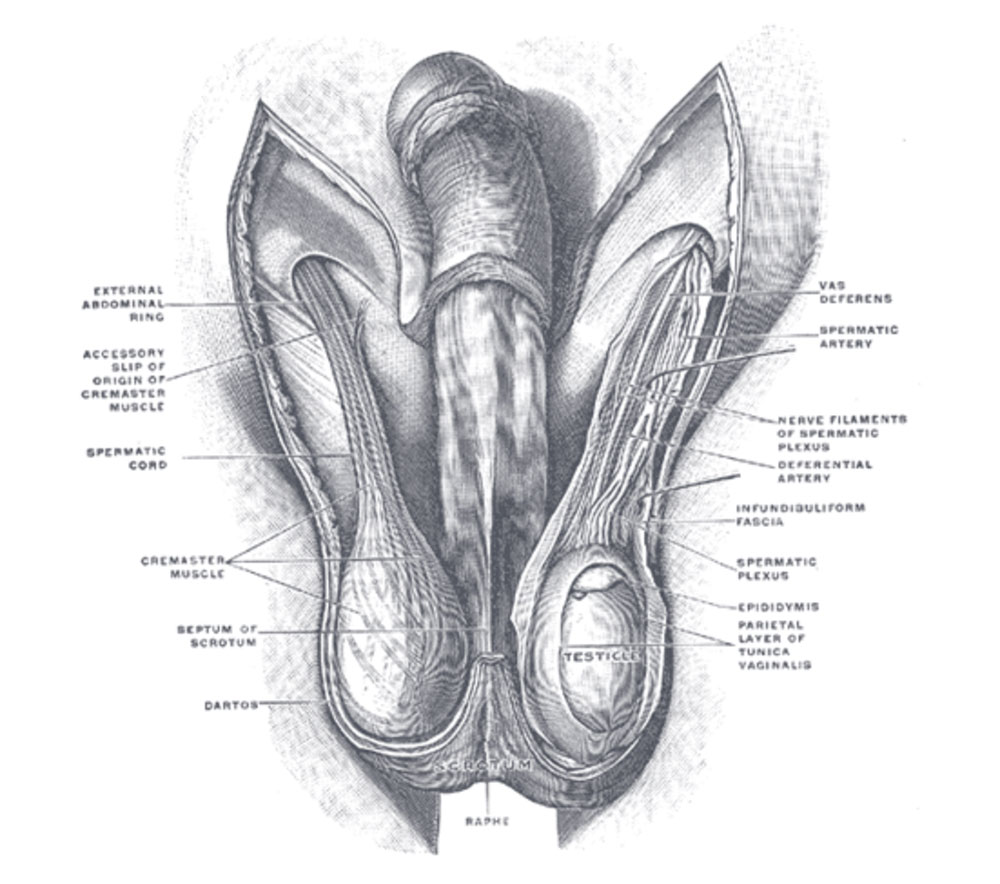
Testicle or male gonads are oval shaped reproductive structures that lie in the scrotum. Their primary function being the production of 1. testosterone and 2. sperm. The scrotum is a sac that is composed of muscle and skin that can contract and alter the temperature within it to maintain optimal conditions for the testicles to function. The testicles can produce about 6 mg of testosterone per day.
Therefore after bilateral orchiectomy there is a significant decrease in testosterone levels, which results in less demand for estrogen supplementation. When starting the surgical transition phase, orchiectomy may be an early option for some.
Reviews
Dr. Parikh and his team were an absolute pleasure to work with. Everyone I met with on the day of surgery was friendly and thorough in their support. He provided great follow-up care and continued to check in with me after surgery. I would definitely recommend Dr. Parikh to anyone who is looking into their options for an orchiectomy.
D.P.
Orchiectomy Procedure
The procedure is relatively straightforward. It can be performed under local anesthesia with or without sedation or under general anesthesia. It can be performed as an isolated procedure or in the setting of GRA/SRS reassignment surgery. Simply speaking, the incision is made along the median raphe or midline of the scrotum. The testicles and spermatic cord are isolated and the cord is clamped and tied at the inguinal ring. The incision on the scrotum is closed with dissolving sutures. No skin is removed. This is important for those considering a GRS/SRS procedure in the future. This skin can be used during GRS/SRS for lining the new vaginal canal.


Orchiectomy Candidates
Ideal candidates are generally healthy and have met the following criteria according the WPATH standards of care.
- Two letters of referrals (one from a MHP – psychotherapist who follows the patient and one second opinion letter from a MHP that has evaluated the patient)
- Persistent, well documented gender dysphoria
- Capacity to make a fully informed decision and to consent for treatment
- Age of majority in a given country
- If significant medical or mental health concerns are present, they must be well controlled
- 12 continuous months of hormone therapy as appropriate to the patient’s gender goals (unless the patient has a medical contraindication or is otherwise unable or unwilling to take hormones).
FAQS about Orchiectomy
-
How long does the surgery take?
About 30 to 60 minutes. Which anesthesia you have (the options are listed under Orchiectomy Procedure above) is settled at the consultation, and you go home the same day with your driver.
-
What is recovery like?
Most people are up and walking the same day and back to a desk job in 1 to 2 weeks. You’ll walk the same day, and short, frequent walks are the best thing you can do in the first week. Physical work takes longer. Ice packs on and off for the first day or two and snug, supportive underwear keep the swelling down; bruising and swelling settle over 2 to 4 weeks. Keep the incision out of baths, pools, and hot tubs for about 2 weeks, or longer if your instructions say so. Heavy lifting, sports, and sex come back at about 3 to 4 weeks. Driving starts once you’re off prescription pain medication. Your written instructions will say when you can shower.
-
How much does it hurt?
There’s mild to moderate soreness for several days, mostly an ache and a feeling of pressure in the scrotum, and pain medication keeps it manageable. Most patients are down to over-the-counter relief within a few days. Pain that gets worse instead of better, or a scrotum that swells quickly, is a reason to call the office that day.
-
What are the risks?
The most common are bleeding into the scrotum (a hematoma) in the first day or two, which is why you rest and ice at first, and infection. Both are uncommon and treatable when caught early, so a scrotum that swells quickly, bleeding, fever, or spreading redness is a reason to call the same day. Numbness or a dull ache around the scar can linger for a few months while the nerves heal, and lasting pain is rare. Serious complications are rare in healthy patients. Don’t smoke, stick to the activity limits, and keep the incision clean, and the odds fall further.
-
What happens to my hormones afterward?
Once both testicles are removed, your testosterone drops to a low level within days. The testicles were making almost all of it; what’s left comes from the adrenal glands. For most patients, that means the testosterone blocker (usually spironolactone) is no longer needed, and your prescriber will tell you whether and when to stop it. That’s one of the main reasons people choose this procedure. Estrogen continues. Your prescriber may adjust the dose once your levels settle. You’ll still need a sex hormone, though, to protect your bones and keep hot flashes and fatigue away. Talk with whoever manages your hormones before surgery so the plan for the weeks afterward is already in place.
-
Can I still get erections?
Often, yes. They tend to be less frequent and less firm once testosterone is low, and spontaneous erections become much less common. If you’ve been on a blocker for some time, your current experience is a reasonable guide to what to expect, since your testosterone is already suppressed. How much this matters is personal. If it’s on your mind, say so; it’s a normal thing to talk through.
-
Can I still ejaculate or have an orgasm?
Orgasm, yes for most people, though the sensation can feel different afterward. Ejaculation changes. The testicles make only a small share of the fluid; the rest comes from the prostate and seminal vesicles. So some fluid may still come out, but it won’t contain sperm. Some patients notice less fluid or none, especially after being on hormones for a long time.
-
Will an orchiectomy affect a later vaginoplasty?
It doesn’t rule one out. The surgery is done here in a way that protects that option: no scrotal skin is removed, because that skin lines the new vaginal canal later. The scrotum does shrink over time once the testicles are gone. A patient who has an orchiectomy first may have less scrotal skin to work with at vaginoplasty and is more likely to need a skin graft from elsewhere. If vaginoplasty or vulvoplasty is in your plans, the best time to talk with that surgeon is before the orchiectomy, so the two can be planned together; if you’ve already had one, tell them, and let them set the timing.
-
What will the scrotum look like afterward?
Smaller and flatter, with a thin scar down the midline that fades until it’s hard to see. Nothing is removed except the testicles and cords, so the skin is all still there and shrinks on its own over the following months. Scrotal skin isn’t removed with this operation, and that’s deliberate: it’s the skin a vaginoplasty surgeon would use later.
-
Will I be infertile? How does sperm banking work?
Yes, permanently, when both testicles are removed, since that’s where sperm is made. If there’s any chance you’ll want biological children, sperm banking is done before surgery, through a fertility clinic, which will walk you through the steps. Being on estrogen for a long time can lower sperm counts, so the clinic may want to test a sample first. Banking isn’t required for surgery. It’s your choice, but it has to happen before, not after.
-
Who writes the letters, and what does insurance want?
Therapists, psychologists, and psychiatric nurse practitioners who work with trans patients write assessment letters routinely, and some primary care and hormone clinics do too. Insurance plans set their own paperwork. Most want at least one assessment letter plus records showing you’ve been on hormones, and some still ask for two letters. Apple Health asks for a behavioral health assessment and a letter from your hormone prescriber. The office will tell you exactly what your plan requires before you gather anything.
-
Is orchiectomy only for trans women?
No, it’s for anyone who needs it: trans women, nonbinary and agender people, and others for whom removing the testicles is the right step. If hormones aren’t right for you or you don’t want them, the conversation includes how you’ll protect your bone health afterward.
-
How much does an orchiectomy cost, and will insurance cover it?
Many patients have it covered. Washington law bars most state-regulated health plans from excluding gender-affirming surgery, and Apple Health covers orchiectomy too, so for many people the question is prior authorization and the plan’s terms rather than a flat exclusion. Plans still ask for the letters above, a medical necessity review, and approval before surgery, and whether a given surgeon and facility are in your plan’s network matters too. Self-funded employer plans follow federal rules instead and vary. Ask the office early what they can bill for your plan. If you’re paying yourself, the price depends on the anesthesia you choose and the facility fee, and you’ll get an exact quote after your consultation; financing is available for patients who qualify.
-
How do you pronounce orchiectomy?
Or-kee-EK-tuh-mee, with the stress on “ek.” You’ll also see it spelled orchidectomy, which is the same operation. Either way, it means surgical removal of the testicles.
-
I live in Seattle. How many visits will an orchiectomy take?
Usually three. A consultation can start by phone or with photos, followed by an in-person visit with Dr. Parikh. Pre-op is mostly handled remotely. Then it’s surgery day and a follow-up a week or two later to check the incision, with later check-ins by photos if everything is healing well. The office is about 20 minutes from downtown Seattle outside rush hour, and surgery is done at RP Surgery Center, where you have a private room before and after. You’ll need a ride home. If you’re coming from farther away, the travel and stay page covers hotels and timing.
-
What are Dr. Parikh’s qualifications?
Dr. Parikh is double board-certified by both the American Board of Plastic Surgery and the American Board of Surgery. He completed his plastic surgery residency at Vanderbilt University and a research fellowship at Cleveland Clinic, and he is a Fellow of the American College of Surgeons. He performs orchiectomy along with the other transgender procedures offered at the practice, including top surgery, facial feminization, and tracheal shave, so your care can stay with one surgeon. You can see results in the before-and-after gallery.
-
Does Dr. Parikh have hospital privileges?
Yes, at Overlake and Swedish. Dr. Parikh holds surgical privileges at Overlake Medical Center in Bellevue and at Swedish Medical Center, at both the First Hill campus in Seattle and the Issaquah campus. Privileges mean a hospital has reviewed a surgeon’s training, board certification, and record and allows him to operate there. Your orchiectomy is done at RP Surgery Center, the practice’s state-accredited surgery center; the privileges are an outside check on his credentials.
This FAQ is general information and doesn’t replace the personal instructions Dr. Parikh will give you.
Book a Consultation
Take the next step in your transition with expert orchiectomy by Dr. Rikesh Parikh in Bellevue, WA. Explore more of our transgender services and book a consultation today to discuss your options.