
AlloClae™ Structural Adipose Filler
Conveniently located to serve Seattle and Bellevue
Jump To
 AlloClae is a FDA approved structural adipose (fat) filler. This product is used to add volume to certain areas of the body. It is made of donor derived adipose cells and extracellular matrix ECM to provide a sterile non-immunogenic product that is safe for transfer into the body. The DNA has been removed from the cells. The product is considered non-surgical treatment.
Candidates
Ideal candidates for AlloClae generally are healthy and do not have sufficient donor fat for transfer. Candidates that do not want an invasive procedure ie. liposuction and wish to add volume to smaller areas for enhancement. In addition, the procedure can be performed awake and does not require General Anesthesia.
Areas for AlloClae
- Hips Dips
- Liposuction deformities
- Cellulite
- Buttocks
Alloclae and Aveli Cellulite Reduction
AlloClae can be combined with Aveli subcision for cellulite reduction to fill in the dimpling from cellulite. Dr. Parikh generally puts in the AlloClae after the cellulite bands have been released with the Aveli device.
Non-Surgical Technique
AlloClae comes in a sterile package of 12.5 cc syringes with a sterile cannula. The procedure can be performed awake in a procedure room or asleep in the operating room. A small hole is entered and the AlloClae is injected after numbing the area with local anesthesia. The procedure can take 30 min to 1 hour, following this they may go home.
AlloClae™ Structural Donor Fat Before & After Photos
Recovery
There is no real downtime with allocaloe. No showering for 48 hrs and try not to put any pressure on the area for 24 hrs. There are no other limitations.
Alloclae vs Autologous Fat Transfer Technique and Survival
Autologous Fat transfer which is the Gold Standard for volume transfer is a time tested technique with good results. Survivability of the fat has a wide range and can be in realm of 30 to 80 percent. AlloClae survivability seems to be higher with limited follow up so far. Alloclae can be used for small volumes while autologous fat can be used for small and large volumes. Autologous fat transfer require liposuction techniques based on surgeon skill, which has additional risks while AlloClae does not require liposuction.
Complications
- Bruising
- Swelling
- Infection
- Bleeding
FAQS about AlloClae™
-
How long does AlloClae last? Is it permanent?
Not permanent, but long lasting. Because it’s real fat tissue rather than a gel, your body can grow into it. New blood vessels and your own cells grow into it, and the volume you see on day one settles into a result that holds for years rather than months. In Dr. Parikh’s experience so far, results have lasted about one to three years, with most of the volume still there at the one-year mark; it varies from person to person, and the product is new enough that no one can promise a longer number yet. Large weight loss after treatment can reduce the volume, much as it would with your own fat.
-
What does “donor fat” mean, and is it safe? Can my body reject it?
AlloClae is made from donated human fat. The donors consented to tissue donation after death, through the same system that supplies the skin, bone, and tendon grafts used in surgery every day. Donors are screened for health history and tested for infections such as HIV and hepatitis, under FDA tissue rules. The tissue is then processed and sterilized at an accredited tissue bank. Screening can’t remove every possible risk of passing on an infection, but it makes that risk very small. Processing and sterilization leave no living cells and strip out most of the DNA; what’s left is the fat’s structure, the fat cells themselves, no longer living, and the matrix that holds them. That leaves little for your immune system to react to. Rejection in the transplant sense isn’t expected, since there are no living cells, but allergic and immune reactions are listed as possible, which is why it isn’t used in patients with severe allergies or a history of anaphylaxis.
-
Is AlloClae FDA approved?
It’s regulated by the FDA as a human tissue product, which follows a different path from drugs and devices. The tissue bank registers with the FDA, follows its rules for donor screening, testing, and processing, and is open to FDA inspection, but a tissue product like this doesn’t go through the premarket approval process a drug or an implant does.
-
How does AlloClae compare with fillers, Sculptra, or a Brazilian butt lift?
It sits between fillers and a fat transfer. Hyaluronic acid fillers are precise and quick but temporary and expensive at body volumes. Sculptra builds volume slowly by stimulating your own collagen, usually over one or two sessions about 8 weeks apart, and it takes time to show results. AlloClae gives you the volume the day it’s placed, with no liposuction and no real downtime. That makes it the choice for smaller areas like hip dips and liposuction dents. A Brazilian butt lift uses your own fat, so it needs liposuction, and it’s the operation for a large change; the comparison with your own fat elsewhere on this page goes into more detail.
-
When will I see the result, and will it feel natural?
Right away, with swelling on top of it for the first week or two. The treated area looks fuller than the final result at first, then settles over the following 2 to 3 months as the swelling clears and the graft takes. It feels like your own fat once the swelling settles: soft, warm, and moving with the tissue around it.
-
Does it hurt, and how long do bruising and swelling last?
The area is numbed first, so you feel pressure and movement rather than pain, and the whole visit takes about half an hour to an hour. Expect tenderness for a few days and bruising that fades over a week or two. Most patients are back to their normal day within 24 to 48 hours. Aftercare is short; see Recovery above.
-
How many syringes do hip dips or a liposuction dent take?
It depends on the size of the hollow. AlloClae comes in 12.5 cc syringes. A small liposuction dent may take a single syringe; hip dips take more, and the number depends on how deep each hollow is. Fuller buttock shaping takes more and is usually better done with your own fat. You’ll get a number at your consultation. It’s sensible to lean slightly toward under-filling at the first visit, since adding more later is simpler than taking it out.
-
Can AlloClae be repeated, or combined with fat transfer later?
Both work. A touch-up a few months later refines the shape once the first treatment has settled, and some patients plan on two sessions from the start. If you later decide on liposuction and fat transfer, having had AlloClae doesn’t rule it out; whether and how your own fat is layered with it is judged case by case.
-
Who shouldn’t have AlloClae?
People with severe allergies or a history of anaphylaxis, and anyone with an active infection. It also isn’t placed in areas of the body that don’t naturally have a fat layer. If you’re pregnant or breastfeeding, have an autoimmune condition, or take blood thinners, say so up front. Some of these mean waiting, and some mean a different plan.
-
Can AlloClae be removed?
Not the way a hyaluronic acid filler can; there’s no enzyme that dissolves it. A fluid-filled cyst can often be drained with a needle in the office; a firm lump occasionally needs a small procedure to remove it. That’s a reason to keep a first treatment on the light side and fine-tune the shape at a second visit.
-
How much does AlloClae cost?
It’s priced by the amount used, so a single syringe for a liposuction dent costs a fraction of what a pair of hip dips or buttock shaping does. Anesthesia and the facility fee are added when it’s done asleep in the operating room. An exact quote comes after your consultation, and financing is available for patients who qualify.
-
I live in Seattle. How many visits will AlloClae take?
Usually two or three. A consultation can start by phone or with photos, followed by an in-person visit with Dr. Parikh. Then it’s the treatment visit, and a check once the swelling has settled, which can often be done by photos. The office is about 20 minutes from downtown Seattle outside rush hour. If it’s done awake in the procedure room, ask whether you can drive yourself; if it’s done asleep, you’ll need a ride. If you’re coming from farther away, the travel and stay page covers hotels and timing.
-
What are Dr. Parikh’s qualifications?
Dr. Parikh is double board-certified by both the American Board of Plastic Surgery and the American Board of Surgery. He completed his plastic surgery residency at Vanderbilt University and a research fellowship at Cleveland Clinic, and he is a Fellow of the American College of Surgeons. He offers AlloClae alongside liposuction, fat transfer, Sculptra, and Avéli cellulite treatment, so you can compare every option for the area with one surgeon. You can see results in the before-and-after gallery.
-
Does Dr. Parikh have hospital privileges?
Yes, at Overlake and Swedish. Dr. Parikh holds surgical privileges at Overlake Medical Center in Bellevue and at Swedish Medical Center, at both the First Hill campus in Seattle and the Issaquah campus. Privileges mean a hospital has reviewed a surgeon’s training, board certification, and record and allows him to operate there. AlloClae is done in the procedure room or at RP Surgery Center, the practice’s state-accredited surgery center; the privileges are an outside check on his credentials.
This FAQ is general information and doesn’t replace the personal instructions Dr. Parikh will give you.
Related Article
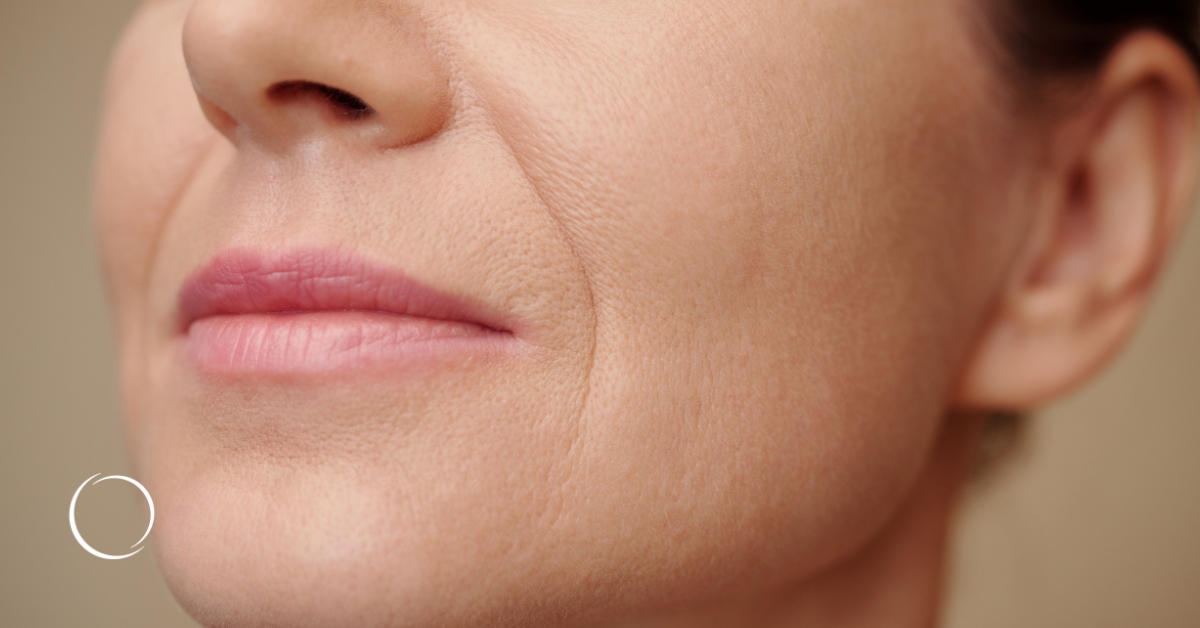 Understanding fat-based fillers: alloClae, Renuva, Lipoderma and more
In the world of aesthetics, one exciting development is the shift towards treatments that work with the body, not just around it, and fat-based fillers are the perfect example … Read More